
The Future of Co-Habitation: How AI Builds Stronger Co-Living Communities

Kimora Lee
Technical Writer

Urban living is evolving. Rising housing costs, changing lifestyles, and the desire for community are pushing more people toward co-living arrangements. Instead of traditional apartments, residents are choosing shared living environments where kitchens, workspaces, and social areas are communal.
But while co-living promises connection and convenience, success depends on something deeper than proximity: compatibility.
When the right people share a space, co-living becomes a thriving community. When they don’t, even the most beautifully designed housing can feel stressful.
Easy Pairing brings intelligence into this process by using AI-powered compatibility matching to create balanced, harmonious co-living communities.
The Challenge Behind Shared Living
Many co-living providers focus on logistics: filling rooms quickly and maximizing occupancy. While efficient, this approach often ignores the human dynamics that determine whether residents actually enjoy living together.
Common issues include:
- Lifestyle mismatches such as night owls paired with early risers
- Differences in cleanliness standards
- Conflicting social expectations within shared spaces
- Unequal participation in community activities
- Communication misunderstandings between housemates
These challenges don’t just affect comfort—they influence resident retention, reviews, and the overall reputation of the property.
Compatibility as the Foundation of Community
Easy Pairing helps housing operators move beyond surface-level roommate questionnaires by analyzing deeper compatibility factors.
These include:
- Communication styles and conflict resolution approaches
- Social energy levels and privacy preferences
- Work routines and lifestyle rhythms
- Shared interests and personal values
- Cultural and environmental preferences
By analyzing these traits, the platform identifies residents who are most likely to coexist peacefully and contribute positively to shared environments.
What Happens When the Right People Live Together
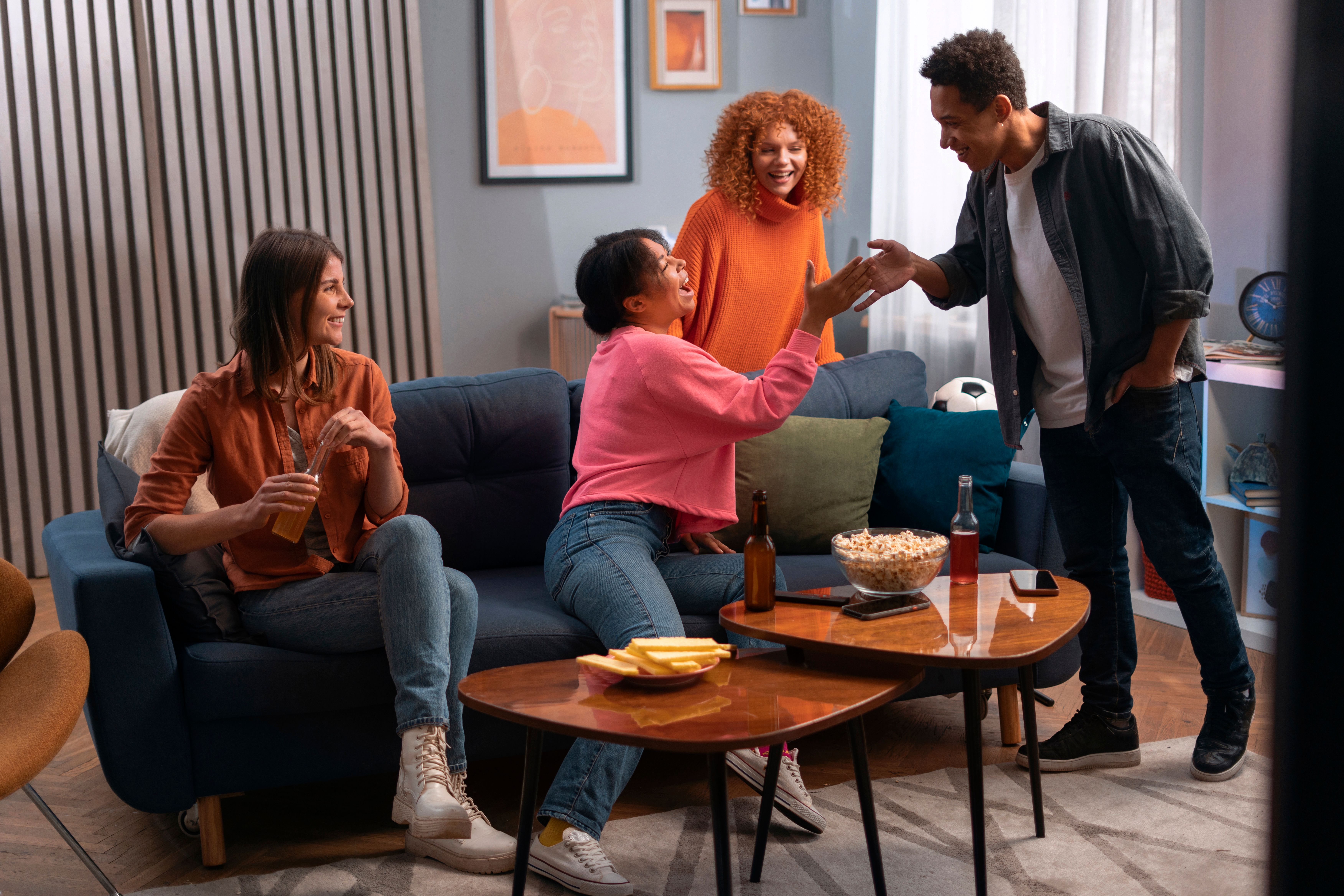
When compatibility drives co-living placements, the difference becomes visible almost immediately.
Communities experience:
- Stronger resident relationships as neighbors naturally connect.
- Reduced conflict in shared spaces
- Higher tenant retention due to positive living experiences
- Greater participation in social events and community initiatives
- Better mental well-being through supportive living environments
Instead of managing disputes, operators cultivate communities where residents genuinely enjoy living together.
Co-Living as a Social Ecosystem
Modern co-living developments are increasingly designed as ecosystems rather than simple housing units. Shared lounges, coworking spaces, and communal kitchens are intended to encourage collaboration and social interaction.
However, physical design alone cannot guarantee connection. People need compatibility to feel comfortable engaging with one another.
Easy Pairing bridges this gap by ensuring that community members share enough common ground to build authentic relationships.

The Future of Shared Living
As cities continue to densify, co-living will become an even more important housing solution. But the next generation of shared housing will not rely on chance.
Instead, it will be powered by data-driven compatibility insights that help communities form intentionally.
Easy Pairing enables housing providers to design environments where relationships flourish, conflicts decline, and residents feel they truly belong.
Conclusion
The future of cohabitation lies in compatibility-driven communities. By using AI to align residents based on lifestyle, communication style, and personal values, Easy Pairing transforms co-living spaces into supportive ecosystems where people don’t just share rent—they share connection, trust, and a sense of home.
Ready to transform your group matching?
Join thousands of organizations using Easy Pairing to create better teams and connections.
Get Started Free